Wearable technology and its role in modern digilife set the stage for a fascinating exploration of how these innovative devices have seamlessly integrated into our daily routines. From tracking fitness goals to enhancing productivity, wearable technology has become an indispensable part of our digital existence.
As we delve deeper into the realm of wearable technology, we uncover a world where convenience, efficiency, and connectivity converge to redefine the way we interact with our surroundings.
Overview of Wearable Technology
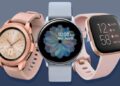
Wearable technology refers to electronic devices that can be worn on the body, either as accessories or as part of clothing. These devices are designed to perform specific functions and often connect to other devices or networks for data sharing and analysis.Some popular forms of wearable technology include smartwatches, fitness trackers, augmented reality glasses, and health monitoring devices.
These devices offer a wide range of features, such as tracking physical activity, monitoring heart rate, receiving notifications, and even providing navigation assistance.
Evolution of Wearable Technology
Wearable technology has come a long way since its inception. Initially, wearable devices were primarily focused on fitness tracking and basic notifications. However, with advancements in technology, wearables now offer more sophisticated features like GPS tracking, NFC payments, and even voice assistants.One of the most significant advancements in wearable technology has been the integration of health monitoring sensors.
Modern wearable devices can now track a variety of health metrics, such as sleep patterns, stress levels, and even blood oxygen saturation.Overall, the evolution of wearable technology has transformed these devices from simple accessories to powerful tools that can enhance our daily lives in various ways.
Importance of Wearable Technology in Modern Digilife
Wearable technology plays a crucial role in enhancing various aspects of modern digital life, offering convenience, efficiency, and improved well-being to users.
Enhancement of Daily Life Activities
Wearable technology devices such as smartwatches and fitness trackers have become essential tools in monitoring daily activities. They help individuals track their physical movements, heart rate, and even sleep patterns, providing valuable insights for better health management. With the ability to set reminders and notifications, wearable devices ensure users stay organized and on track with their daily routines.
Impact on Healthcare and Fitness
The integration of wearable technology in healthcare has revolutionized the industry by enabling remote patient monitoring, personalized treatment plans, and timely interventions. Fitness enthusiasts benefit from wearable devices that track their workouts, calories burned, and overall progress, motivating them to achieve their health goals.
The real-time data collected by these devices allows for more accurate assessments and adjustments, leading to improved health outcomes.
Role in Improving Productivity and Efficiency
Wearable devices like smart glasses and smart clothing are reshaping the way individuals work by providing hands-free access to information, communication, and task management. This technology streamlines processes, reduces errors, and enhances collaboration in various industries, ultimately boosting productivity and efficiency.
Whether in a professional setting or during daily tasks, wearable technology offers a seamless integration of digital tools that simplify workflows and optimize performance.
Advantages of Wearable Technology
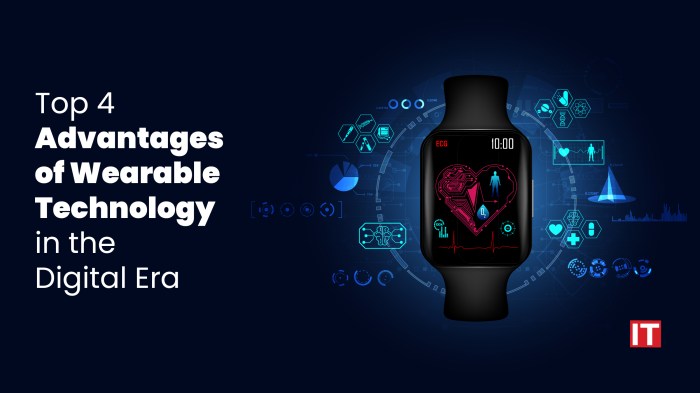
Wearable technology offers a wide range of advantages that have significantly impacted various aspects of modern life. These advantages not only enhance convenience but also improve efficiency and productivity in different industries.
Health and Fitness
Wearable devices such as fitness trackers and smartwatches have revolutionized the way people monitor their health and fitness levels. These devices can track physical activities, heart rate, sleep patterns, and even provide real-time feedback to help users achieve their fitness goals.
Work Efficiency
Wearable technology has also improved work efficiency by enabling hands-free communication and access to important information on the go. For example, smart glasses can provide workers with instant instructions or data without the need to refer to a separate device, leading to faster decision-making and increased productivity.
Safety and Security
In industries like construction and manufacturing, wearable devices with GPS tracking and biometric sensors enhance safety measures for workers. These devices can alert supervisors in case of emergencies, monitor environmental conditions, and ensure that workers are following proper safety protocols, reducing the risk of accidents.
Entertainment and Gaming
Wearable technology has transformed the entertainment and gaming industry by offering immersive experiences through devices like virtual reality (VR) headsets and augmented reality (AR) glasses
Retail and Marketing
In retail and marketing, wearable devices enable businesses to personalize customer experiences through targeted promotions and tailored recommendations. For instance, smart clothing with embedded sensors can gather data on customer preferences and behaviors, allowing retailers to offer customized shopping experiences and enhance customer loyalty.
Challenges and Concerns with Wearable Technology
Wearable technology has revolutionized the way we interact with our digital world, but it also comes with its own set of challenges and concerns that need to be addressed.
Privacy and Security Issues
One of the major concerns with wearable technology is the potential privacy and security risks that come with constant data collection. With devices tracking our every move, there is always a risk of sensitive information being compromised or falling into the wrong hands.
Furthermore, the interconnected nature of wearable devices can create vulnerabilities in our personal data, making us more susceptible to cyber-attacks and hacking attempts.
Potential Health Risks
Another challenge posed by wearable technology is the potential health risks associated with prolonged use. Continuous exposure to electromagnetics fields and radiation from devices like smartwatches and fitness trackers can have adverse effects on our health over time.
Moreover, extended screen time and reliance on wearable devices can lead to issues such as eye strain, posture problems, and disrupted sleep patterns, impacting our overall well-being.
Integration into Everyday Routines
Integrating wearable technology seamlessly into our daily lives can be a challenge for many users. From remembering to charge devices regularly to finding the right balance between tech use and personal interactions, there are several obstacles to incorporating wearables into our routines effectively.
Additionally, the constant notifications and alerts from wearable devices can be overwhelming and distracting, making it difficult to stay focused and present in the moment.
Future Trends in Wearable Technology
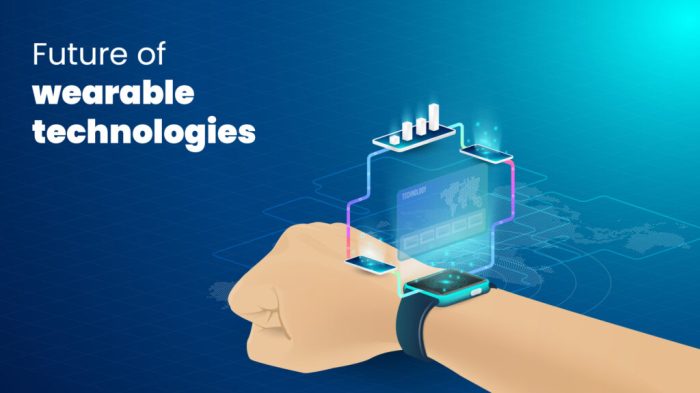
As technology continues to advance at a rapid pace, the future of wearable technology holds exciting possibilities. Innovations in this sector are expected to revolutionize how we interact with devices and integrate technology into our daily lives.
Potential Impact of Artificial Intelligence on Wearable Devices
Artificial intelligence (AI) is poised to play a significant role in the evolution of wearable technology. AI-powered wearables can provide personalized recommendations, predictive insights, and seamless integration with other smart devices. These devices can learn from user behavior and adapt to individual preferences, making them more intuitive and user-friendly.
Evolution to Meet Changing Consumer Demands
Wearable technology is likely to evolve to meet the changing demands of consumers. Future wearables may focus on health and wellness, with advanced sensors for monitoring vital signs, tracking fitness metrics, and providing real-time feedback. Additionally, wearables may become more integrated into fashion and everyday accessories, blurring the lines between technology and style.
Conclusive Thoughts
In conclusion, wearable technology not only shapes our present but also paves the way for a future where the boundaries between humans and technology continue to blur. As we embrace these advancements, we embark on a journey towards a more connected and informed digital lifestyle.
Query Resolution
How secure is the data collected by wearable devices?
The data collected by wearable devices is usually encrypted and stored securely to protect user privacy. However, it's essential to be cautious about sharing sensitive information and to regularly update security settings.
Can wearable technology help in monitoring health conditions?
Yes, wearable devices equipped with sensors can track vital signs, activity levels, and even detect potential health issues. This real-time data can be beneficial for individuals to monitor their health proactively.
How is wearable technology influencing the fashion industry?
Wearable technology has paved the way for fashionable tech accessories and smart clothing that merge style with functionality. This trend is reshaping the fashion landscape by blending innovation with aesthetics.