With the rapid evolution of technology, managing work-life balance in a fully digital world has become a pressing issue for many. This topic delves into the challenges and strategies individuals face in navigating the blurred boundaries between professional and personal life.
As digital advancements continue to shape our daily routines, finding harmony between work and personal commitments has never been more crucial.
Challenges of work-life balance in a fully digital world
In today's fast-paced digital world, achieving a healthy work-life balance has become increasingly challenging for many individuals. The constant connectivity and accessibility provided by digital advancements have blurred the lines between work and personal life, making it difficult to switch off and unwind.
Let's explore some common obstacles faced by individuals in maintaining work-life balance in a fully digital world.
Impact of Constant Connectivity
The prevalence of smartphones, laptops, and other digital devices means that individuals are always connected to work, even outside of traditional office hours. This constant connectivity can lead to work-related stress and burnout, as individuals struggle to set boundaries between work and personal time.
Expectation of Immediate Responses
With the rise of email, instant messaging, and other communication tools, there is often an expectation for immediate responses. This can create pressure for individuals to be constantly available, leading to feelings of guilt or anxiety when they are not able to respond promptly.
Work-Life Integration
Technology has enabled greater flexibility in how and where work is done, blurring the lines between work and personal life. While this flexibility can be beneficial, it can also make it challenging for individuals to disconnect from work and fully engage in personal activities without distractions.
Virtual Collaboration and Time Zones
Collaborating with colleagues or clients across different time zones has become common in a digital world. This can result in irregular working hours and disruptions to personal time, as individuals may need to attend meetings or respond to requests outside of their typical work hours.
Social Media and FOMO
The prevalence of social media platforms can contribute to a fear of missing out (FOMO) on work-related opportunities or social events. Individuals may feel pressured to constantly check their social media accounts to stay updated, leading to decreased quality time spent on personal activities or relaxation.
Strategies for maintaining work-life balance
Maintaining a healthy work-life balance is crucial in a fully digital world where boundaries can easily blur. Here are some effective strategies to help you achieve this balance:
Setting Boundaries Between Work and Personal Life
One of the key strategies for maintaining work-life balance is setting clear boundaries between work and personal life. Establish specific work hours and stick to them, avoid checking work emails or messages outside of these hours, and create a designated workspace to separate work from home life.
Importance of Time Management in a Digital Work Environment
Time management plays a crucial role in achieving work-life balance in a digital work environment. Prioritize tasks based on their importance and deadlines, utilize productivity tools and techniques to stay organized, and allocate specific time slots for work, personal activities, and relaxation.
Effective Scheduling Techniques to Balance Work and Personal Commitments
Implementing effective scheduling techniques can help you balance work and personal commitments efficiently. Create a daily or weekly schedule that includes designated work hours, breaks, and personal activities. Use tools like calendar apps or planners to visualize your schedule and ensure you allocate time for both work and personal life.
Utilizing technology to enhance work-life balance
With the advancements in technology, individuals have access to various tools and apps that can help them manage their time effectively, leading to a better work-life balance.
Tools and apps for time management
Technology offers a wide range of tools and applications that can assist individuals in organizing their tasks and schedules efficiently
Role of automation in reducing workload
Automation plays a crucial role in reducing manual tasks and streamlining processes, ultimately reducing workload and freeing up time for other activities. By automating repetitive tasks, individuals can focus on more important aspects of their work and personal life.
Facilitating remote work and flexible schedules
Technology enables remote work by providing communication tools like video conferencing, messaging apps, and cloud storage solutions. This flexibility allows individuals to work from anywhere, promoting a better work-life balance by eliminating the need for commuting and providing the opportunity to work at convenient times.
Impact of work-life balance on mental health
Work-life balance plays a crucial role in determining our mental well-being. When we are able to effectively manage our professional responsibilities and personal life, it can lead to reduced stress levels and improved mental health.
Strategies for reducing stress and preventing burnout in a digital work setting
In a digital work setting, it is important to set boundaries between work and personal life. One strategy is to establish a designated workspace and stick to a consistent schedule to avoid overworking. Additionally, taking regular breaks, practicing mindfulness, and engaging in physical activity can help alleviate stress and prevent burnout.
Examples of how a balanced lifestyle positively affects mental health
- Improved focus and productivity: When we maintain a healthy work-life balance, we are able to focus better on tasks at hand and increase our productivity levels.
- Better relationships: Spending quality time with loved ones and engaging in activities outside of work can strengthen relationships and contribute to our overall happiness.
- Reduced anxiety and depression: By prioritizing self-care and relaxation, we can effectively manage stress and reduce the risk of developing anxiety or depression.
Outcome Summary
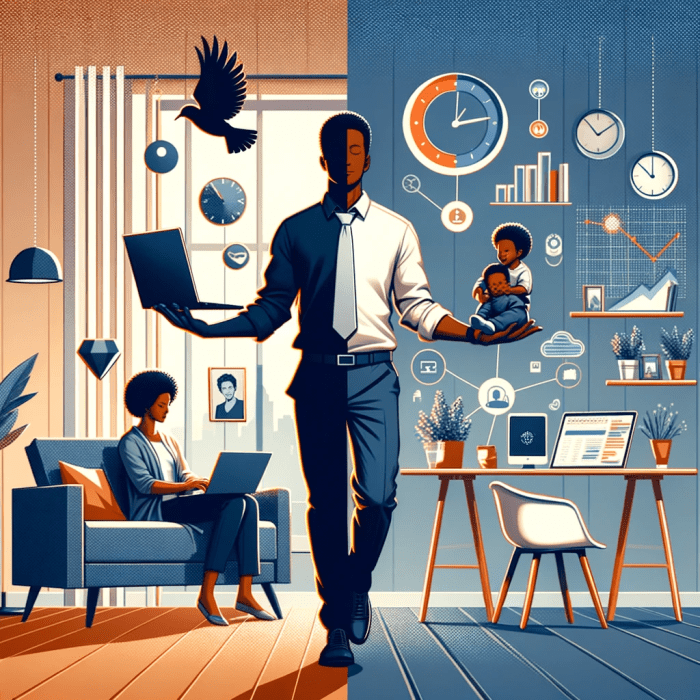
In conclusion, achieving work-life balance in a digital world requires a delicate balance of boundaries, time management, and utilization of technology. By prioritizing mental well-being and adopting strategies to reduce stress, individuals can lead a more fulfilling and productive life both personally and professionally.
Top FAQs
How can I effectively set boundaries between work and personal life in a digital world?
To set boundaries, establish designated work hours, create a separate workspace, and communicate your availability clearly to colleagues.
What role does automation play in enhancing work-life balance?
Automation can help streamline tasks, reduce workload, and free up time for leisure activities, ultimately promoting a better balance between work and personal life.
How does work-life balance impact mental health in a digital work setting?
Maintaining a healthy work-life balance can significantly reduce stress levels, prevent burnout, and contribute to overall mental well-being.