Delve into the world of electric car charging technologies with our detailed exploration of the top options available. From AC to DC fast charging and even wireless solutions, this guide will enlighten you on the advancements shaping the future of electric vehicles.
Overview of Electric Car Charging Technologies
Electric car charging technologies play a crucial role in the widespread adoption of electric vehicles. These technologies enable electric cars to recharge their batteries efficiently and conveniently, making them more practical for everyday use.
Types of Electric Car Charging Technologies
There are several types of electric car charging technologies available, each with its own set of advantages and limitations. Here are some common types:
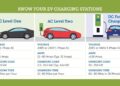
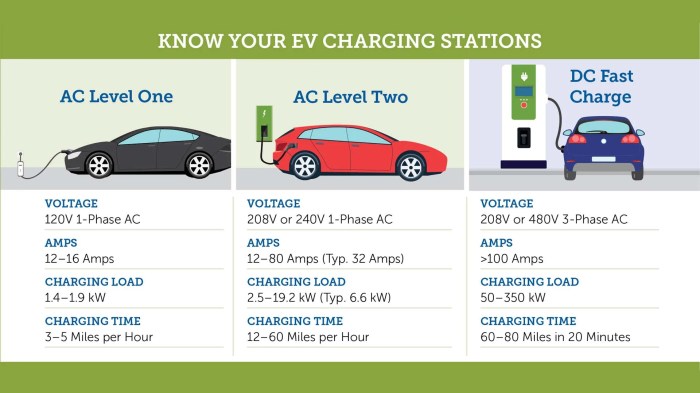
- Level 1 Charging:This involves using a standard 120-volt household outlet to charge the vehicle. It is the slowest charging option but is widely accessible.
- Level 2 Charging:This type uses a 240-volt outlet and charges the vehicle faster than Level 1. Many public charging stations and home charging units offer Level 2 charging.
- DC Fast Charging:Also known as Level 3 charging, DC fast charging provides a rapid charge to the vehicle's battery, allowing for quick top-ups during long journeys. However, it is less common and may not be compatible with all electric vehicles.
Pros and Cons of Electric Car Charging Technologies
Each electric car charging technology has its own set of pros and cons, which are important to consider when choosing the right charging option for your needs.
| Charging Technology | Pros | Cons |
|---|---|---|
| Level 1 Charging | Accessible and can be used with a standard outlet | Slow charging speed |
| Level 2 Charging | Faster charging speeds than Level 1 | Requires installation of a charging station |
| DC Fast Charging | Rapid charging for quick top-ups | Less common and may not be compatible with all vehicles |
Electric Car Models Compatible with Each Charging Technology
Many electric car models on the market today are compatible with various charging technologies. Some examples include:
- Tesla Model S:Compatible with Level 1, Level 2, and DC fast charging.
- Nissan Leaf:Compatible with Level 1 and Level 2 charging.
- Audi e-Tron:Compatible with Level 2 and DC fast charging.
AC Charging Technology
AC charging technology refers to the process of charging an electric vehicle using an alternating current power source. This method is commonly used in residential, commercial, and public charging stations.
Standard Charging Rates for AC Charging
When it comes to AC charging, the standard charging rates typically range from 3.7 kW to 22 kW. These rates can vary depending on the electric vehicle model and the charging equipment being used.
Types of Connectors Used in AC Charging
- Type 1 Connector: This connector is commonly used in North America and Japan.
- Type 2 Connector: This connector is widely used in Europe and is becoming more popular globally.
- CHAdeMO Connector: This connector is primarily used for DC fast charging but can also support AC charging.
- CCS Connector: Combined Charging System connectors can support both AC and DC charging.
Efficiency of AC Charging Technology
AC charging technology is known for its efficiency in converting energy from the grid to charge the battery of an electric vehicle. Compared to DC fast charging, AC charging is generally more efficient at lower power levels. However, DC fast charging is preferred for rapid charging needs due to its higher power output.
DC Fast Charging Technology
DC fast charging technology allows electric vehicles to charge at a much faster rate compared to traditional AC charging methods. This technology is crucial in reducing charging times and increasing the convenience of owning an electric vehicle.
Benefits of DC Fast Charging
- DC fast charging significantly reduces charging times, allowing electric vehicle owners to quickly top up their battery levels.
- It is ideal for long-distance travel, as drivers can make shorter stops to charge their vehicles and continue their journey.
- DC fast charging helps promote the adoption of electric vehicles by providing a more convenient and efficient charging solution.
Charging Speeds and Power Levels
- DC fast chargers can deliver power levels ranging from 50 kW to 350 kW, depending on the charging station and the capabilities of the electric vehicle.
- Charging speeds can vary, but in general, a DC fast charger can provide a significant amount of range in a short period, typically around 30 minutes to reach an 80% charge.
- These high power levels enable electric vehicles to recharge quickly, making it easier for drivers to integrate charging stops into their daily routines.
Infrastructure for DC Fast Charging Stations
- DC fast charging stations require a high-power connection to the grid to deliver the necessary electricity to charge vehicles at a rapid pace.
- These stations often feature multiple charging connectors to accommodate different types of electric vehicles and charging standards.
- The infrastructure for DC fast charging is expanding rapidly, with more stations being installed along highways and in urban areas to support the growing number of electric vehicles on the road.
Electric Vehicles Supporting DC Fast Charging
- Popular electric vehicles that support DC fast charging include the Tesla Model 3, Nissan Leaf, Chevrolet Bolt EV, and Audi e-tron.
- Many new electric vehicle models are being released with DC fast charging capabilities to take advantage of the convenience and speed offered by this technology.
- As the demand for electric vehicles continues to rise, more manufacturers are incorporating DC fast charging compatibility into their vehicles to meet the needs of consumers.
Wireless Charging Technology
Wireless charging technology for electric vehicles eliminates the need for physical cables to charge the vehicle's battery, offering a more convenient and hassle-free charging experience.
How Wireless Charging Works
Wireless charging works through electromagnetic induction, where an electric current is passed between a charging pad on the ground and a receiver pad on the vehicle. The energy is transferred wirelessly, charging the vehicle's battery without the need for direct cable connection.
Advantages of Wireless Charging
- Convenience: Users can simply park over a charging pad without having to physically plug in the vehicle, making it more user-friendly.
- Safety: Eliminates the risk of tripping over cables or damaging the charging port, ensuring a safer charging experience.
- Clean Aesthetics: Removes the clutter of cables and charging stations, providing a cleaner and more visually appealing charging solution.
Efficiency and Convenience of Wireless Charging
Wireless charging systems offer high efficiency levels, with some models claiming over 90% efficiency rates. The convenience of simply parking over a charging pad without the hassle of handling cables makes it a popular choice for electric vehicle owners.
Cost and Installation Requirements
- Cost: Wireless charging systems can be more expensive upfront compared to traditional wired charging solutions due to the technology involved.
- Installation: Requires specialized installation by trained professionals to ensure proper functioning and efficiency, adding to the overall cost of implementing wireless charging infrastructure.
Conclusive Thoughts
In conclusion, understanding the nuances of electric car charging technologies is essential for embracing the shift towards sustainable transportation. With the insights gained from this discussion, you are now equipped to navigate the evolving landscape of electric vehicle charging with confidence and knowledge.
Top FAQs
What are the main differences between AC and DC charging technologies?
AC charging is typically slower but more widely available, while DC fast charging offers rapid charging speeds but requires specialized infrastructure.
Are there any electric car models that support wireless charging?
Currently, there are limited electric car models that support wireless charging, as this technology is still in the early stages of adoption.
How does the cost of installing a wireless charging system compare to traditional wired charging setups?
Wireless charging systems are generally more expensive to install compared to traditional wired charging setups due to the additional technology involved.