In a world where sustainability is key, the future of electric public transportation systems shines bright as a beacon of hope. This topic delves into the exciting advancements, environmental benefits, and economic impacts of transitioning to electric buses and trains.
Join us on a journey through the innovative landscape of sustainable transportation.
Importance of Electric Public Transportation Systems
Transitioning to electric public transportation systems is crucial for a sustainable future. By replacing traditional fossil fuel-powered buses and trains with electric alternatives, we can significantly reduce our carbon footprint and improve air quality.
Environmental Benefits of Electric Buses and Trains
- Electric buses and trains produce zero tailpipe emissions, reducing harmful pollutants that contribute to respiratory illnesses and environmental degradation.
- By utilizing renewable energy sources to charge electric vehicles, we can further decrease our reliance on fossil fuels and move towards a cleaner, greener transportation system.
- Electric public transportation systems also help mitigate climate change by reducing greenhouse gas emissions, leading to a more sustainable and resilient urban environment.
Impact on Reducing Carbon Emissions and Improving Air Quality
- Switching to electric buses and trains can significantly lower carbon emissions, helping cities meet their climate goals and reduce their overall environmental impact.
- Improved air quality resulting from the adoption of electric public transportation systems can lead to health benefits for residents, especially those living in densely populated urban areas.
- Reducing pollution from transportation can also enhance the quality of life for communities by creating cleaner and safer environments for all residents to enjoy.
Technological Advancements in Electric Public Transportation
Electric public transportation systems have seen significant technological advancements in recent years, revolutionizing the way people commute in urban areas. These innovations have not only improved the efficiency of public transportation but also contributed to reducing emissions and creating a more sustainable environment.
LATEST INNOVATIONS IN ELECTRIC VEHICLE TECHNOLOGY
Electric buses are becoming increasingly popular in public transportation fleets around the world. These buses are powered by electric motors, which are more energy-efficient and environmentally friendly compared to traditional diesel engines. The latest innovations in electric vehicle technology include the development of lightweight materials, regenerative braking systems, and advanced energy management systems, all of which contribute to making electric buses more efficient and reliable.
EFFICIENCY OF ELECTRIC BUSES VS. TRADITIONAL DIESEL BUSES
Electric buses have shown to be more efficient than traditional diesel buses in terms of energy consumption and operating costs. While the upfront cost of electric buses may be higher, their lower maintenance and fuel costs make them a more cost-effective option in the long run.
Additionally, electric buses produce zero tailpipe emissions, reducing air pollution and improving air quality in urban areas.
ADVANCEMENTS IN BATTERY TECHNOLOGY
One of the key advancements in electric public transportation systems is the improvement in battery technology. New developments in battery technology have led to batteries with longer ranges and faster charging capabilities, addressing one of the main concerns regarding electric vehiclesrange anxiety.
With the ability to cover longer distances on a single charge and recharge quickly, electric buses can now operate more efficiently and effectively, making them a viable alternative to traditional diesel buses.
Infrastructure Requirements for Electric Public Transportation
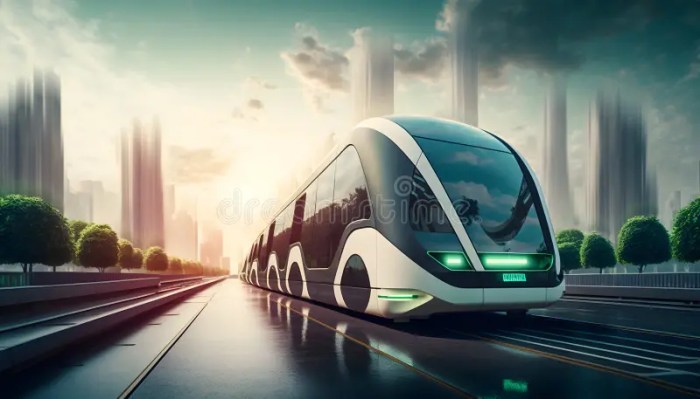
As the shift towards electric public transportation systems continues to gain momentum, it is crucial to understand the infrastructure requirements necessary to support the widespread adoption of electric buses and trains. This includes building charging stations and integrating renewable energy sources to power these systems efficiently.
Charging Stations for Public Transportation
Building charging stations for public transportation poses several challenges, including:
- The need for a large number of charging stations to accommodate the fleet of electric buses and trains, which requires significant investment in infrastructure.
- Ensuring that the charging stations are strategically located along routes to minimize downtime and maintain operational efficiency.
- Addressing the issue of charging infrastructure in depots and terminals to support overnight charging and maintenance of the vehicles.
- Managing the demand for electricity and potential strain on the grid during peak charging times, necessitating smart charging solutions and grid upgrades.
Integration of Renewable Energy Sources
The integration of renewable energy sources, such as solar and wind power, plays a vital role in powering electric public transportation systems sustainably. This involves:
- Installing solar panels on depots and charging stations to generate clean energy and reduce reliance on the grid for charging vehicles.
- Utilizing wind turbines in areas with suitable wind conditions to supplement energy needs for public transportation operations.
- Implementing energy storage solutions, such as batteries, to store excess renewable energy for use during periods of high demand or when renewable sources are not available.
- Leveraging smart grid technologies to optimize the use of renewable energy and ensure efficient distribution to charging infrastructure.
Economic Impact and Funding for Electric Public Transportation
Investing in electric public transportation systems can have significant economic benefits for cities and communities. Not only can it reduce greenhouse gas emissions and improve air quality, but it can also create jobs, reduce operating costs, and stimulate economic growth.
Economic Benefits of Investing in Electric Public Transportation
Transitioning to electric buses and trains can lead to cost savings in the long run. Electric vehicles have lower fuel and maintenance costs compared to traditional diesel vehicles, resulting in reduced operating expenses for transportation agencies. Additionally, the use of renewable energy sources to power electric vehicles can further decrease operational costs and dependency on fossil fuels.
Potential Funding Sources for Electric Public Transportation
- Government Grants: Federal, state, and local governments often provide grants and funding opportunities for transitioning to electric public transportation systems. These grants can help cover the upfront costs of purchasing electric buses, charging infrastructure, and other necessary equipment.
- Private Investments: Public-private partnerships can be formed to attract private investors to fund electric public transportation projects. Companies in the transportation or energy sector may be interested in investing in sustainable transportation solutions.
- Tax Incentives: Tax incentives and rebates for purchasing electric vehicles and charging infrastructure can help offset the initial investment costs for transportation agencies.
Cost Savings and Long-term Financial Advantages
While the initial investment in transitioning to electric public transportation systems may be higher than traditional vehicles, the long-term financial advantages are significant. Electric vehicles have lower fuel and maintenance costs, resulting in overall cost savings for transportation agencies over the lifetime of the vehicles.
Additionally, the reduced environmental impact of electric vehicles can lead to savings in healthcare costs associated with air pollution-related illnesses.
Closing Notes
As we conclude our exploration of the future of electric public transportation systems, one thing is clear: the path to a cleaner, greener future is paved with electric vehicles. From reducing carbon emissions to enhancing air quality, the impact of these systems is undeniable.
Embracing this technological evolution is not just a choice but a necessity for a sustainable tomorrow.
Helpful Answers
How do electric buses and trains benefit the environment?
Electric buses and trains produce zero tailpipe emissions, reducing harmful pollutants in the air and improving overall air quality in urban areas.
What are the challenges in building charging stations for electric public transportation?
One of the main challenges is establishing a sufficient charging infrastructure to support the growing fleet of electric buses and trains, especially in densely populated cities.
Are there cost savings associated with transitioning to electric public transportation systems?
Yes, electric vehicles have lower operating costs and maintenance expenses over their lifetime compared to traditional diesel vehicles, leading to long-term financial advantages.