Step into a world where your home appliances are smarter than ever before. With IoT integration, these devices are not just tools but intelligent companions that enhance our everyday lives. From refrigerators that know when you're running low on groceries to washing machines that optimize water usage, the possibilities are endless.
Dive into the realm of Electric home appliances with IoT integration and discover a new era of convenience and efficiency.
Overview of Electric Home Appliances with IoT Integration
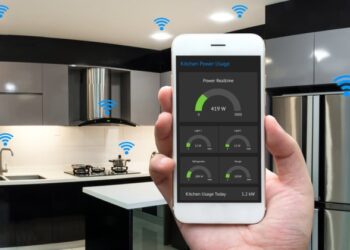
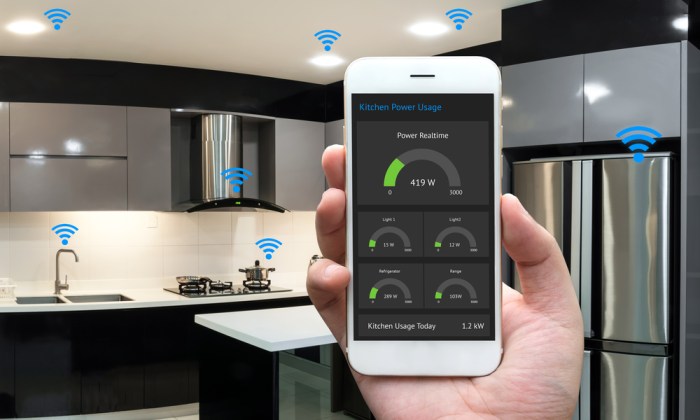
IoT integration in electric home appliances refers to the connectivity of these devices to the internet, allowing them to be remotely controlled, monitored, and automated. This technology enables users to manage their appliances from anywhere using a smartphone or other smart devices.The benefits of IoT integration in electric home appliances are numerous.
It enhances functionality by providing real-time data and insights, optimizing energy usage, and improving overall efficiency. IoT integration also offers convenience, as users can adjust settings or receive alerts remotely.
Examples of Popular Electric Home Appliances with IoT Integration
- Smart refrigerators: These appliances can notify users when items are running low, suggest recipes based on available ingredients, and even create shopping lists.
- Smart thermostats: These devices can learn users' preferences and adjust the temperature accordingly, saving energy and ensuring comfort.
- Smart washing machines: Users can schedule laundry cycles, receive notifications when a cycle is complete, and even monitor water and energy usage.
- Smart lighting systems: These systems can be controlled remotely, programmed to adjust brightness and color temperature, and integrated with other smart devices for a seamless experience.
IoT Integration in Smart Refrigerators
Smart refrigerators with IoT integration offer a range of advanced features that revolutionize food management and energy efficiency in the modern kitchen.IoT connectivity enhances food management by allowing users to remotely monitor and control their refrigerators through smartphone apps. This enables them to check the inventory, receive expiration date notifications, and even create shopping lists based on what needs to be restocked.
Additionally, some smart refrigerators can suggest recipes based on the available ingredients, making meal planning easier and more efficient.Moreover, IoT integration contributes to energy efficiency by optimizing the refrigerator's performance based on usage patterns and external factors. For example, the refrigerator can adjust its temperature settings during peak energy hours or when the kitchen is unoccupied, reducing energy consumption without compromising food storage quality.
Features of Smart Refrigerators with IoT Integration
- Temperature and humidity control for different compartments
- Automatic inventory tracking and expiration date alerts
- Remote access and control via smartphone apps
- Energy-saving modes based on usage patterns
Comparison of Different Brands/Models of Smart Refrigerators with IoT Integration
- Samsung Family Hub Refrigerator:Offers a large touchscreen display for notes, calendars, and recipes, along with advanced voice control features.
- LG InstaView ThinQ Refrigerator:Features a transparent glass panel that lights up with two knocks to see inside without opening the door, coupled with AI technology for smart food management.
- GE Profile Series Smart Refrigerator:Provides integration with voice assistants like Amazon Alexa and Google Assistant for hands-free control and seamless connectivity.
IoT Integration in Smart Washing Machines
Smart washing machines equipped with IoT technology offer a range of advantages that enhance the overall laundry experience for users. From improved washing performance to increased convenience, IoT integration revolutionizes the way we approach laundry care.
Advantages of IoT Integration in Smart Washing Machines
- Remote Monitoring and Control: With IoT connectivity, users can monitor and control their washing machines from anywhere using their smartphones. This allows for greater flexibility and convenience in managing laundry tasks.
- Customized Washing Cycles: Smart washing machines with IoT integration can analyze fabric types and adjust wash cycles accordingly, ensuring optimal cleaning results while preserving the quality of clothes.
- Energy Efficiency: IoT technology enables smart washing machines to optimize water and energy consumption based on load size and fabric type. This results in reduced utility costs and environmental impact.
Impact of IoT on Water and Energy Consumption in Washing Machines
IoT technology plays a crucial role in minimizing water and energy wastage in smart washing machines. By utilizing sensors and data analytics, these appliances can accurately determine the ideal amount of water and energy required for each load, leading to significant savings over time.
Additionally, the ability to schedule wash cycles during off-peak hours further contributes to energy efficiency and cost savings.
Security and Privacy Concerns with IoT in Electric Home Appliances
As the Internet of Things (IoT) continues to revolutionize the way we interact with our electric home appliances, it also brings about significant security and privacy concerns that need to be addressed.
Common Security Risks Associated with IoT Integration in Appliances
- Unauthorized access: Hackers may gain access to your appliances, compromising your personal data or even taking control of the device.
- Data breaches: Sensitive information collected by IoT-enabled appliances can be vulnerable to cyber attacks if not properly secured.
- Device hijacking: Malicious individuals can take over your appliances remotely, leading to potential safety hazards or misuse.
Tips on How to Secure IoT-enabled Electric Home Appliances
- Change default passwords: Always change the default passwords on your IoT devices to unique, strong passwords to prevent unauthorized access.
- Update firmware regularly: Keep your appliances' software up to date to patch any security vulnerabilities that may exist.
- Use secure networks: Connect your IoT devices to secure, password-protected networks to prevent external intrusions.
- Implement two-factor authentication: Add an extra layer of security by enabling two-factor authentication for your appliances.
Importance of Data Privacy and User Consent in IoT-connected Devices
Data privacy is crucial when it comes to IoT-connected devices as they collect and transmit sensitive information about your daily routines and habits. It is essential for users to understand what data is being collected, how it is being used, and to have control over their personal information.
User consent should always be obtained before collecting any data, and strict measures should be in place to protect this data from unauthorized access or misuse.
Closing Summary
As we conclude our exploration of Electric home appliances with IoT integration, it's clear that the future of home technology is here. With enhanced functionality, energy efficiency, and convenience, these smart appliances are reshaping our homes and lifestyles. Embrace the IoT revolution and witness firsthand the transformative power it holds for the way we live.
FAQ Corner
How does IoT integration benefit electric home appliances?
IoT integration enhances functionality, improves user experience, and allows for remote control and automation of tasks.
Are there any security risks with IoT-enabled appliances?
Common security risks include hacking, data breaches, and unauthorized access to personal information. It's important to secure your network and devices.
Which popular electric home appliances feature IoT integration?
Some popular examples include smart refrigerators, washing machines, thermostats, and lighting systems.