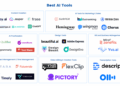
Embark on a journey into the realm of Digilife productivity hacks using AI tools, where innovation meets efficiency in the digital landscape.
Discover how AI tools revolutionize productivity across different aspects of life, from task management to time optimization.
Introduction to Digilife productivity hacks using AI tools
Digilife productivity refers to the efficient use of digital tools and technologies to enhance productivity in various aspects of life, including work, personal tasks, and organization. In today's fast-paced world, leveraging AI tools has become essential to streamline processes, automate repetitive tasks, and optimize time management.AI tools play a crucial role in enhancing productivity by offering intelligent solutions that can analyze data, make predictions, and provide valuable insights.
These tools help individuals and organizations work smarter, not harder, by eliminating manual work and allowing them to focus on high-value tasks.
Examples of popular AI tools used for productivity
- 1. Virtual Assistants:Virtual assistants like Siri, Alexa, and Google Assistant help users organize their schedules, set reminders, and perform tasks through voice commands.
- 2. Project Management Tools:AI-powered project management tools like Trello, Asana, and Monday.com use machine learning algorithms to allocate resources, track progress, and optimize workflow efficiency.
- 3. Email Management:Tools like Boomerang and Grammarly use AI to analyze email patterns, suggest responses, and prioritize messages, enabling users to manage their inbox effectively.
- 4. Time Tracking Apps:AI-driven time tracking apps like RescueTime and Toggl monitor user activity, identify productivity patterns, and provide insights to improve time management.
AI tools for task management

AI tools have revolutionized the way we organize and manage tasks, making the process much more efficient and effective. These tools utilize artificial intelligence algorithms to help individuals and teams stay on track, prioritize tasks, and meet deadlines in a timely manner.
Comparing different AI tools for task management
There are several AI tools available for task management, each offering unique features and capabilities. Let's compare some popular options:
- Trello: Known for its user-friendly interface and Kanban board system, Trello allows users to create boards, lists, and cards to organize tasks visually.
- Todoist: A versatile task management tool that enables users to create projects, set deadlines, and prioritize tasks using labels and filters.
- Asana: Ideal for team collaboration, Asana offers features like project timelines, task dependencies, and customizable workflows to streamline task management.
- Microsoft To Do: Integrated with Microsoft 365, this tool syncs tasks across devices, allows for file attachments, and offers smart suggestions based on user behavior.
Tips for maximizing productivity with AI task management tools
- Set clear goals and priorities: Define your objectives and break them down into smaller tasks to stay focused and organized.
- Utilize automation features: Take advantage of AI tools' automation capabilities to schedule reminders, recurring tasks, and notifications to reduce manual effort.
- Collaborate effectively: Use AI tools to assign tasks, track progress, and communicate with team members in real-time to ensure seamless collaboration.
- Regularly review and adjust: Monitor your task management system regularly, analyze performance metrics, and make adjustments as needed to optimize productivity.
AI tools for time management
AI tools play a crucial role in optimizing time usage and increasing productivity by automating various tasks related to time management. These tools utilize algorithms and data analytics to help individuals prioritize tasks, track time spent on different activities, and efficiently plan their schedules.
Time Tracking and Scheduling
AI-powered tools for time management offer features that assist users in tracking their time usage and creating schedules that maximize productivity. Some popular examples of AI tools in this category include:
- RescueTime: This tool runs in the background on your computer or mobile device, tracking the time you spend on different applications and websites. It provides detailed reports on your daily activities, helping you identify time-wasting habits and optimize your schedule.
- Todoist: Todoist uses AI algorithms to prioritize tasks, set reminders, and organize your to-do list based on deadlines and importance. It also offers features like recurring tasks and collaboration options to streamline task management.
- Calendly: Calendly is a scheduling tool that integrates with your calendar to help you set up meetings and appointments without the back-and-forth emails. Its AI-powered scheduling assistant suggests optimal meeting times based on your availability, minimizing the time spent on scheduling conflicts.
Using AI tools for time management provides several benefits, including:
- Efficient Task Prioritization: AI algorithms can analyze your workload and prioritize tasks based on deadlines, importance, and urgency, ensuring that you focus on high-priority activities.
- Time Optimization: By tracking your time usage and providing insights into your daily activities, AI tools help you identify inefficiencies and time-wasting habits, allowing you to make adjustments for better time management.
- Improved Productivity: With automated scheduling, reminders, and task organization, AI tools enable you to stay on top of your responsibilities and deadlines, leading to increased productivity and better work-life balance.
AI tools for communication and collaboration
Effective communication and collaboration are essential for the success of any team. AI tools play a crucial role in enhancing these aspects by providing innovative solutions to streamline processes and improve productivity.
AI Tools for Communication
- Chatbots: AI-powered chatbots can assist in answering common queries, scheduling meetings, and providing real-time support to team members.
- Email Automation: AI tools can analyze email patterns and suggest appropriate responses, helping teams manage their communication more efficiently.
- Speech Recognition: AI technology can transcribe spoken conversations into written text, making it easier for team members to refer back to important discussions.
AI Tools for Collaboration
- Project Management Platforms: AI-driven project management tools can help teams organize tasks, assign responsibilities, and track progress in real-time.
- Virtual Whiteboards: AI-powered virtual whiteboards enable team members to brainstorm ideas, create visual representations, and collaborate on projects remotely.
- Document Collaboration: AI tools like version control systems and collaborative editing platforms enhance team collaboration on documents by ensuring everyone is working on the latest version.
Leveraging AI Tools for Remote Work Productivity
- Virtual Meeting Assistants: AI assistants can schedule meetings, set reminders, and summarize key points discussed during virtual meetings, improving efficiency in remote work settings.
- Smart Scheduling Tools: AI algorithms can analyze team members' availability and preferences to suggest optimal meeting times, reducing scheduling conflicts and maximizing productivity.
- Real-time Collaboration Tools: AI-powered platforms with real-time editing and commenting features enable seamless collaboration among remote team members, fostering creativity and innovation.
AI tools for automation
Automation is a key feature of AI tools that can significantly enhance productivity by handling repetitive tasks efficiently. By automating various processes, individuals and teams can focus on more strategic and creative aspects of their work, ultimately increasing overall efficiency and output.
Examples of AI tools for automation
- Robotic Process Automation (RPA) software like UiPath and Automation Anywhere can automate rule-based tasks such as data entry, order processing, and report generation.
- Zapier and IFTTT are popular tools that allow users to create automated workflows between different apps and services, eliminating the need for manual data transfers.
- Email marketing platforms like Mailchimp and Sendinblue utilize AI algorithms to automate personalized email campaigns based on user behavior and preferences.
Impact of AI-powered automation on productivity
Automation powered by AI can lead to a significant boost in productivity by reducing human error, speeding up processes, and allowing resources to be allocated more strategically. With repetitive tasks taken care of by AI tools, individuals can focus on higher-value activities that require human creativity and problem-solving skills.
Ultimate Conclusion
Unveiling the power of AI tools in transforming productivity, this discussion sheds light on the future of work and efficiency in the digital era.
Detailed FAQs
How can AI tools enhance task management?
AI tools can assist in organizing tasks efficiently by categorizing them based on priority and deadlines, ensuring a streamlined workflow.
What are the benefits of using AI tools for time management?
AI tools help optimize time usage by providing insights into time tracking and scheduling, improving overall productivity and efficiency.
How do AI tools impact communication and collaboration within teams?
AI tools facilitate seamless communication and improve collaboration among team members, especially in remote work setups.
Which AI tools are known for automating repetitive tasks?
AI tools like Zapier and UiPath are popular for automating repetitive tasks, allowing users to focus on more strategic activities.