Exploring the realm of digital wellbeing apps you need in 2025, this introductory paragraph aims to hook readers with a glimpse into the future of wellness technology.
Delving deeper into the landscape of digital wellness, we uncover the trends, features, impacts, and concerns surrounding these innovative applications.
Introduction to Digital Wellbeing Apps
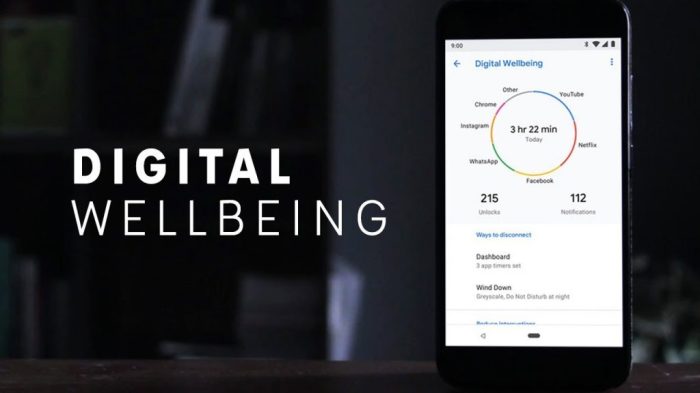
Digital wellbeing apps are applications designed to help users manage their screen time, reduce distractions, and promote a healthier relationship with technology. These apps offer features such as screen time tracking, app usage monitoring, mindfulness exercises, and reminders to take breaks.
In today's modern age, where technology plays a significant role in our daily lives, digital wellbeing has become increasingly important. With the rise of smartphones, social media, and constant connectivity, many people struggle to maintain a healthy balance between their online and offline activities.
This is where digital wellbeing apps come in, providing tools and resources to help users regain control over their digital habits.
Evolution of Digital Wellbeing Apps
Over the years, digital wellbeing apps have evolved to meet the changing needs and demands of users. Initially, these apps focused primarily on screen time tracking and limiting app usage. However, as awareness of digital addiction and mental health issues related to technology use has grown, developers have incorporated a wider range of features to address these concerns.
- Introduction of mindfulness and meditation exercises to promote relaxation and reduce stress.
- Integration of sleep tracking and bedtime reminders to improve sleep quality.
- Implementation of focus modes and productivity tools to enhance concentration and minimize distractions.
- Incorporation of parental control features to help parents manage their children's screen time and online activities.
Trends in Digital Wellbeing Apps
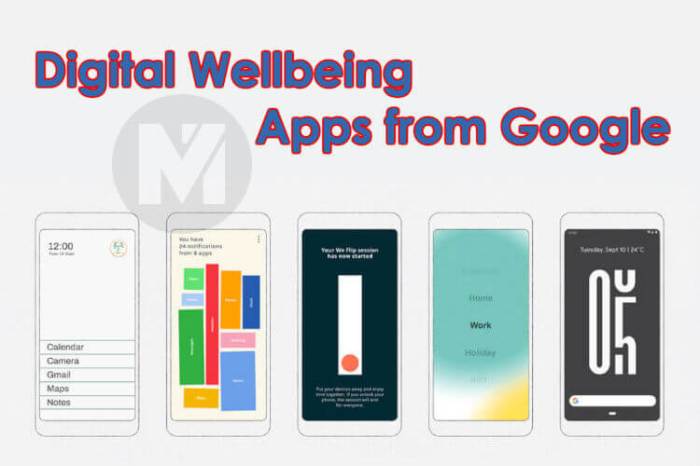
As technology continues to advance, digital wellbeing apps have become increasingly popular in helping users manage their screen time, reduce stress, and improve overall health. These apps utilize features such as mindfulness exercises, sleep tracking, and screen time monitoring to promote a healthier lifestyle in the digital age.
Integration of AI Technology
One of the current trends in digital wellbeing apps is the integration of artificial intelligence (AI) technology. AI algorithms can analyze user data and behavior patterns to provide personalized recommendations and insights for improving mental health and reducing digital addiction.
Focus on Mental Health
Another trend is the increasing focus on mental health within digital wellbeing apps. These apps offer guided meditation sessions, mood tracking tools, and stress-relief exercises to help users manage anxiety and improve their emotional well-being.
Gamification and Rewards
Many digital wellbeing apps are incorporating gamification elements and rewards systems to enhance user engagement. By setting goals, earning points, and unlocking achievements, users are motivated to stay consistent in using the app and adopting healthier habits.
Features of Effective Digital Wellbeing Apps
Effective digital wellbeing apps are designed with key features that help users better manage their screen time, reduce digital distractions, and improve their overall mental health.
Key Features:
- Activity Tracking: Successful digital wellbeing apps often include features that track users' screen time, app usage, and device pickups. By providing users with insights into their digital habits, they can make informed decisions about their usage patterns.
- Focus Tools: Many digital wellbeing apps offer focus tools such as app blockers, website blockers, and focus timers to help users minimize distractions and stay productive.
- Notification Management: Effective apps allow users to customize their notification settings, mute notifications during specific times, and prioritize important notifications to reduce interruptions.
- Bedtime Features: Some apps include bedtime features that remind users to wind down before sleep, set digital curfews, and reduce blue light exposure for better sleep quality.
Examples of Successful Digital Wellbeing Apps and their Standout Features:
- Forest:Forest is a popular app that uses gamification to help users stay focused and reduce screen time. Users plant virtual trees that grow when they resist the urge to use their phones.
- Space:Space is an app that tracks users' screen time and app usage, providing insights into their digital habits. It also offers tools for setting goals and managing distractions.
- Headspace:While primarily known as a meditation app, Headspace also includes features to help users unwind and reduce stress, promoting overall digital wellness.
These features contribute to users' overall digital wellness by promoting mindfulness, reducing screen time, improving focus, and helping users establish healthier digital habits. By incorporating these key features, digital wellbeing apps empower users to take control of their digital lives and prioritize their mental health.
The Impact of Digital Wellbeing Apps on Users
Using digital wellbeing apps can have a significant impact on users' mental health and overall well-being. These apps are designed to help individuals manage their screen time, reduce stress, improve sleep quality, and promote a healthier lifestyle
Positive Impacts on Mental Health
- Digital wellbeing apps provide users with tools and resources to practice mindfulness and reduce anxiety levels through guided meditation and breathing exercises.
- These apps offer features that track users' mood, sleep patterns, and physical activity, helping them identify patterns and make positive changes to their daily routines.
- By setting goals and receiving reminders to take breaks from screen time, users can reduce feelings of overwhelm and improve their overall mental well-being.
Improving Productivity and Focus
- Digital wellbeing apps help users establish healthy habits, such as time management and task prioritization, leading to increased productivity and focus throughout the day.
- Features like focus timers and app blockers assist users in minimizing distractions and staying on track with their work or studies, ultimately enhancing their efficiency and performance.
- By promoting a balanced approach to technology use, these apps enable users to maintain a healthy work-life balance and prevent burnout, resulting in improved concentration and creativity.
Challenges and Drawbacks
- Some users may become overly reliant on digital wellbeing apps, leading to a sense of dependency and potential withdrawal symptoms when not using them.
- Constant monitoring of digital behaviors through these apps could create feelings of guilt or self-criticism if users do not meet their goals or targets, impacting their self-esteem negatively.
- Privacy concerns may arise as users share personal data and usage patterns with these apps, raising questions about data security and the potential misuse of sensitive information.
Privacy and Security Concerns in Digital Wellbeing Apps
Privacy and security are paramount when it comes to digital wellbeing apps. Users entrust these apps with sensitive information regarding their health, habits, and overall well-being. It is crucial for developers to prioritize data protection to build trust with users and ensure their information remains secure.
Ensuring User Data Protection
Developers can implement various measures to safeguard user data in digital wellbeing apps. Utilizing end-to-end encryption can help protect data during transmission, while strong authentication methods like biometrics can enhance security. Regular security audits and updates to address vulnerabilities are also essential in maintaining data protection.
Common Privacy Issues in Digital Wellbeing Apps
- Unauthorized data sharing: Some apps may share user data with third parties without consent, compromising privacy.
- Data breaches: Inadequate security measures can lead to data breaches, exposing sensitive user information.
- Lack of transparency: Users may not be aware of how their data is being collected, stored, and used by digital wellbeing apps.
Personalization and Customization in Digital Wellbeing Apps
Personalization plays a crucial role in enhancing the user experience in digital wellbeing apps by tailoring the app's features to meet the specific needs and preferences of individual users. This customization allows users to have a more personalized experience, making it more engaging and effective in helping them manage their digital habits.
Role of Personalization in Digital Wellbeing Apps
- Personalization allows users to set specific goals and preferences based on their unique habits and behaviors, making the app more relevant to their needs.
- By personalizing the content and features of the app, users are more likely to engage with it regularly, leading to better outcomes in managing their digital well-being.
- Customized notifications, reminders, and progress tracking features can motivate users to stay on track with their digital wellness goals.
Benefits of Customization Options in Digital Wellbeing Apps
- Users can choose which digital activities to monitor and limit, based on their priorities and areas of concern.
- Customizable settings for screen time limits, app usage tracking, and notifications allow users to adapt the app to their unique lifestyle and schedule.
- Personalized recommendations and insights based on user data can help individuals gain a better understanding of their digital habits and make informed decisions.
Balance Between Personalization and Data Privacy
- While personalization enhances user experience, it raises concerns about data privacy and security.
- Digital wellbeing apps must prioritize user privacy by implementing robust data protection measures and obtaining explicit consent for data collection and processing.
- Users should have control over the data shared with the app and be informed about how their information is used to personalize their experience.
Final Thoughts
Wrapping up our discussion on digital wellbeing apps you need in 2025, we've navigated through the current landscape and projected future advancements in this vital technological sphere.
Answers to Common Questions
How can digital wellbeing apps improve productivity?
Digital wellbeing apps can enhance productivity by promoting healthy digital habits, reducing distractions, and providing tools for time management.
What are common privacy issues users may face with digital wellbeing apps?
Common privacy issues include data breaches, unauthorized access to personal information, and lack of transparency in how user data is used.
Why is personalization important in digital wellbeing apps?
Personalization enhances user experience by tailoring the app to individual needs and preferences, making it more effective in promoting digital wellness.