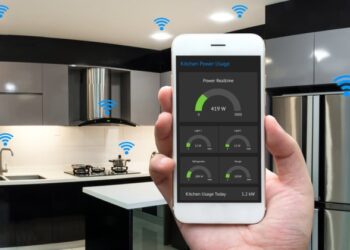
The rise of smart homes and the future of digilife sets the stage for this enthralling narrative, offering readers a glimpse into a story that is rich in detail and brimming with originality. As we delve into the evolution of smart homes, explore the technologies driving them, uncover their benefits, and peek into future trends, we embark on a journey that promises to revolutionize the way we live.
The Evolution of Smart Homes
Smart homes have revolutionized the way we interact with our living spaces by integrating technology to enhance convenience, security, and energy efficiency. Over time, smart homes have evolved from basic automation systems to sophisticated ecosystems that can be controlled remotely via smartphones or voice commands.Popular smart home devices such as smart thermostats, smart lighting systems, and smart security cameras have become essential components of modern households.
These devices offer a range of functionalities, from adjusting the temperature and lighting settings to monitoring and protecting homes from intruders.The impact of smart homes on daily life is significant, as they provide greater convenience and efficiency in managing household tasks.
With the ability to automate routines and control devices remotely, homeowners can save time and energy while ensuring the comfort and safety of their living environment.
Technologies Driving Smart Homes
The advancement of smart homes is made possible by various cutting-edge technologies that work together seamlessly to enhance convenience, efficiency, and security in our daily lives.
IoT (Internet of Things)
The Internet of Things (IoT) plays a vital role in enabling smart home functionalities by connecting various devices and systems to a centralized network. This interconnected web of smart devices allows for remote monitoring, control, and automation of home appliances and systems.
Through IoT technology, homeowners can manage their lighting, heating, security cameras, and more from anywhere using their smartphones or other devices.
AI (Artificial Intelligence)
Artificial Intelligence (AI) is increasingly being integrated into smart home devices to enhance their capabilities and provide personalized experiences to users. AI algorithms analyze data from sensors and devices to learn user preferences and patterns, allowing smart home systems to adapt and optimize settings automatically.
From adjusting thermostat settings based on daily routines to suggesting energy-saving strategies, AI-driven smart home devices offer increased efficiency and comfort.
Voice Assistants like Alexa and Google Assistant
Voice assistants like Alexa and Google Assistant have become integral parts of smart home ecosystems, offering hands-free control and interaction with various devices. These voice-activated assistants can perform a wide range of tasks, such as setting reminders, playing music, providing weather updates, and controlling smart home devices through voice commands.
With the ability to understand natural language and respond to user requests, voice assistants enhance the user experience and make smart homes more accessible and user-friendly.
Benefits of Smart Homes

Smart homes offer a variety of benefits that enhance the quality of life for residents. From energy efficiency to enhanced security and convenience, smart home automation systems are revolutionizing the way we live.
Energy Efficiency
- Smart thermostats can learn your schedule and adjust the temperature accordingly, leading to significant energy savings.
- Smart lighting systems can be programmed to turn off when not in use, reducing electricity consumption.
- Integration with renewable energy sources like solar panels allows for more sustainable energy use.
Home Security Systems
- Smart cameras and sensors provide real-time monitoring of your home, deterring potential intruders and alerting you to any suspicious activity.
- Remote access to security systems allows you to check on your home from anywhere, providing peace of mind when you're away.
- Integration with smart locks and alarms enhances overall home security and ensures the safety of your belongings.
Convenience and Comfort
- Voice-controlled assistants like Amazon Alexa and Google Assistant make it easy to control various smart devices in your home with simple voice commands.
- Automated routines can be set up to perform multiple tasks simultaneously, such as adjusting the thermostat, turning off lights, and locking doors at bedtime.
- Smart appliances like refrigerators and washing machines can alert you when supplies are running low or when a cycle is complete, adding convenience to daily tasks.
Challenges and Concerns
Smart homes offer convenience and efficiency, but they also come with their own set of challenges and concerns that need to be addressed for a seamless and secure experience.
Privacy Concerns
Smart home devices collect vast amounts of data about our daily lives, including our routines, preferences, and behaviors. This data can be vulnerable to hacking or misuse, raising serious privacy concerns for homeowners. It is crucial for manufacturers to implement robust data protection measures and for users to stay vigilant about their privacy settings.
Cybersecurity Risks
The interconnected nature of smart home ecosystems makes them susceptible to cybersecurity threats. Hackers can exploit vulnerabilities in smart devices to gain access to sensitive information or even control the entire system. It is essential for users to regularly update their devices with the latest security patches and use strong, unique passwords to minimize the risk of cyber attacks.
Integration Challenges
One of the main challenges of smart homes is the integration of devices from different manufacturers. Compatibility issues can arise when trying to connect devices that use different communication protocols or standards. This can lead to a fragmented user experience and hinder the seamless operation of smart home systems.
Industry efforts to establish universal standards and protocols are essential to overcome these integration challenges.
Future Trends in Smart Homes
The future of smart homes is filled with exciting advancements that will revolutionize the way we live. From enhanced connectivity to sustainable practices, the possibilities are endless.
Potential Impact of 5G Connectivity
G connectivity is set to transform the way smart home devices communicate with each other and with the outside world. With faster speeds and lower latency, 5G will enable real-time data processing, leading to more efficient and responsive smart home systems.
This means that devices will be able to work together seamlessly, creating a truly interconnected and intelligent environment.
Integration of Smart Homes with Sustainable Practices
As environmental concerns continue to grow, the integration of smart homes with sustainable practices is becoming increasingly important. Smart devices can help homeowners reduce their energy consumption, minimize waste, and lower their carbon footprint. From smart thermostats that optimize energy usage to smart appliances that conserve water, the possibilities for eco-friendly smart homes are endless.
By leveraging technology for sustainability, smart homes can not only enhance convenience and comfort but also contribute to a greener future for all.
Ultimate Conclusion
In conclusion, the path towards smart homes and the future of digilife is paved with innovation and endless possibilities. With energy efficiency, convenience, and security at the forefront, the integration of smart technologies into our daily lives is inevitable. Embracing these advancements will not only enhance our living spaces but also pave the way for a more connected and sustainable future.
Essential FAQs
What are some common privacy concerns associated with smart home devices?
Privacy concerns may revolve around data collection, potential hacking of connected devices, and unauthorized access to personal information stored on smart home systems.
How does AI play a role in smart home devices?
AI enables smart home devices to learn user behaviors, adapt to preferences, and automate tasks, enhancing overall efficiency and convenience.
What is the significance of voice assistants like Alexa and Google Assistant in smart homes?
Voice assistants provide hands-free control over smart devices, allowing users to manage tasks, access information, and interact with their homes using voice commands.